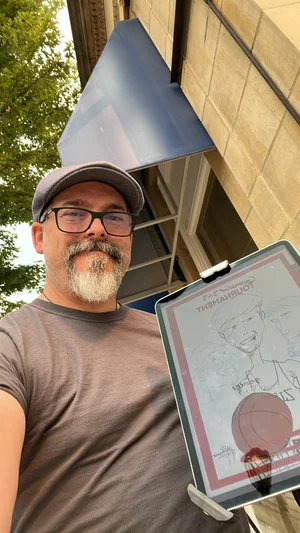

creative planning
Creative Planning for Your Special Artistic Event: Are You Ready?
As the creator at the helm of a special artistic event, you carry the weight of expectation. Your audience—whether friends, clients, or a curious crowd—will look to you for your greatest achievements, hoping to be inspired, moved, or simply dazzled. But are you truly ready? Can you be? If you’re staring at the clock the night before feeling unprepared, this doesn’t have to be a moment of panic. Instead, it can become a pivotal moment of clarity and focus.
Understanding the Stakes
An artistic event, especially one where you are the main creator, is more than just a presentation. It’s a reflection of your imagination, your skills, and your vision. Attendees come to witness something special—they want to see a product of dedication and passion. This raises the question: how do you ensure your event meets (or even exceeds!) those expectations?
The ideal answer lies in creative planning. Whether you are months out or scrambling hours before, the steps below provide a framework to prepare emphatically.
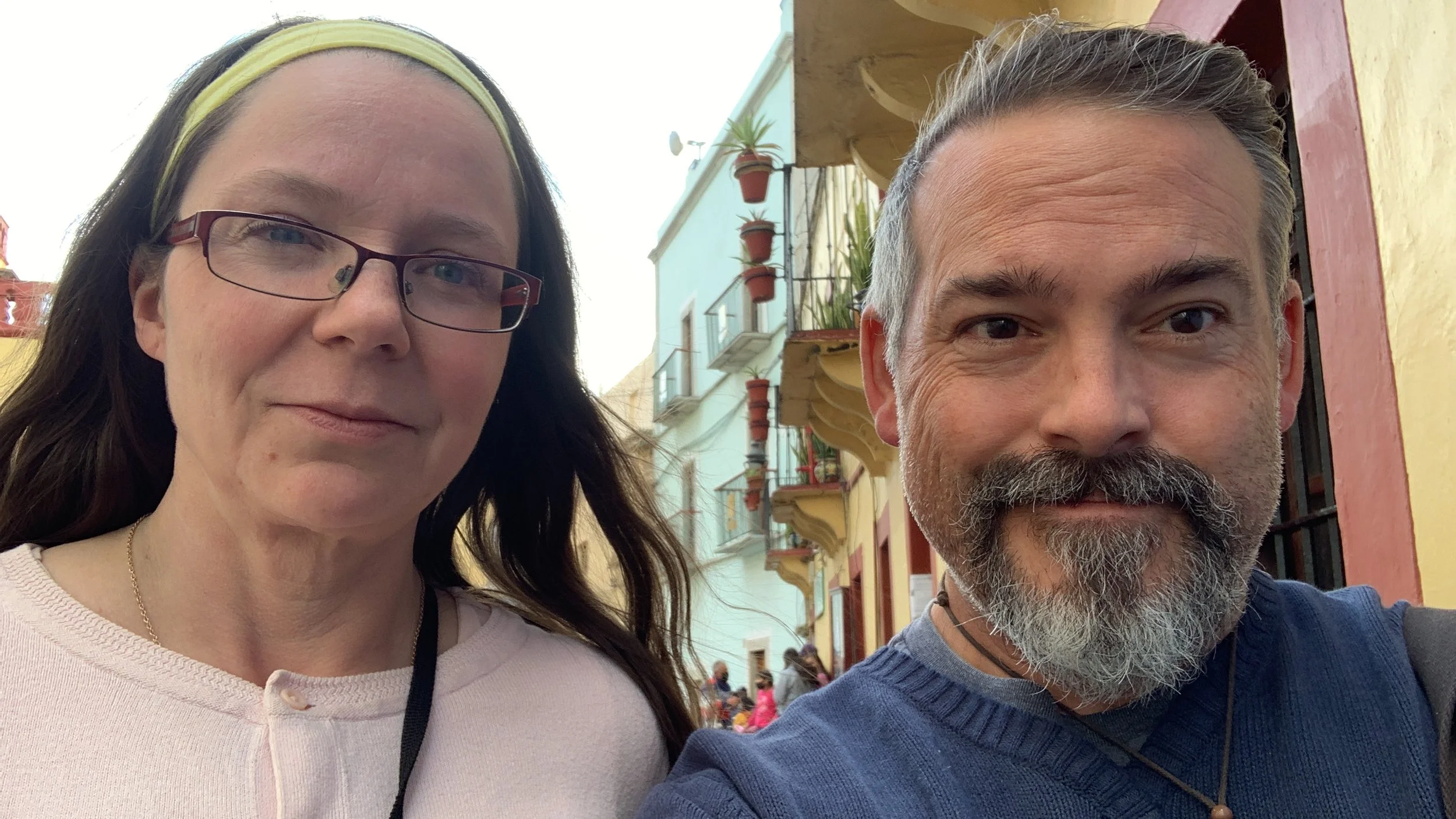
These are the expressions of preparedness; we took the steps to visualize and put in motion the tasks for our priorities.
Step 1: Begin with Your Vision and Priorities
Before any logistical planning, revisit your vision. What message or emotion do you want to convey? What is the core element of your work you want the audience to experience?
Write down the three most important aspects that must be present at the event. These priorities will serve as your guiding star when time is limited or stress is high.
Is it the story or theme behind your work?
Is it a particular technique or artistic style you want to showcase?
Is it interaction and engagement with your audience?
Knowing your priorities helps you focus your energy where it is needed most.
Step 2: Break Your Work Into Manageable Pieces
If the event feels overwhelming, dissect your creative project into smaller, manageable tasks. This method not only reduces anxiety but also helps you track progress effectively.
For example:
Finalize your main piece(s)
Prepare any supplementary materials (e.g., artist statement, handouts, portfolio)
Arrange your display or setup area
Plan your talking points or the narrative of your presentation
Use a simple checklist or timeline to organize these pieces.
Step 3: The Night Before — Emergency Preparation Strategy
If you find yourself unprepared the night before the event, it’s not too late. While the pressure is real, use these steps to pull yourself together:
Prioritize Core Deliverables
Focus only on the must-haves first. What absolutely must be finished or ready by tomorrow?
Is it a visual piece? Complete what’s essential and consider leaving extra details for later.
Is it a presentation? Outline your key points and practice delivering them succinctly.
Don’t chase perfection at this stage—aim for completion.
Use Time Blocks
Set a timer for focused work sessions of 25–30 minutes, followed by short breaks. The Pomodoro technique can increase productivity and prevent burnout.

Set the stage for an amazing flow of events…
Prepare Your Space
Even if unfinished, organize your workspace or display area so you can navigate easily and access everything you need during the event.
Rest and Recharge
This might sound counterintuitive when time is tight, but physical and mental rest will enhance focus and performance. Even a short sleep or relaxation session can make a huge difference.
Step 4: Streamline Your Presentation
Your audience will appreciate clarity and passion more than flawless perfection. When the event day arrives, present with authenticity.
Share your creative process and what inspired your work.
Highlight your priorities—the core vision that drives your art.
Invite questions or feedback to foster connection.
Sometimes, the story behind the artwork or the artist’s journey creates a memorable experience, far beyond the art itself.
Step 5: Leverage Support When Possible
If you have collaborators, assistants, or friends willing to help, don’t hesitate to involve them. Whether it’s setting up, managing technical equipment, or handling logistics, teamwork can ease your burden and make the event smoother.
Step 6: Post-Event Reflection and Growth
Once the event concludes, take time to reflect.
What went well?
What could be improved next time?
How did you feel during the event?
These insights fuel your growth and prepare you for even greater achievements in future events.
Moving Forward: Building a Sustainable Process
To avoid last-minute rushes in the future, consider implementing a creative planning process well in advance:
Begin planning your event months early.
Set incremental deadlines for different stages of your project.
Regularly review and adjust your plan as needed.
Keep a sketchbook or creative journal to capture evolving ideas.
Practice your presentation multiple times for confidence.
By transforming creativity into a planned adventure, you reinforce your ability to deliver your greatest work with confidence.
Final Thought: Your artistic event is a journey—one that begins in your imagination and extends outward