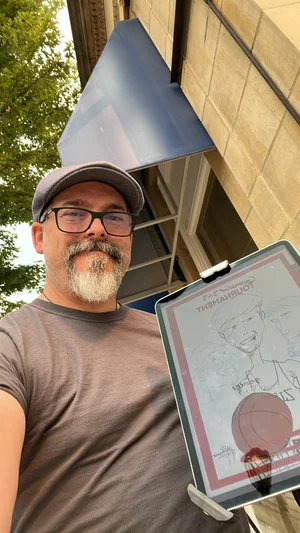

Procrastination much….
Getting Back on Track Without Beating Yourself Up
A sketchbook conversation about momentum, mercy, and motion
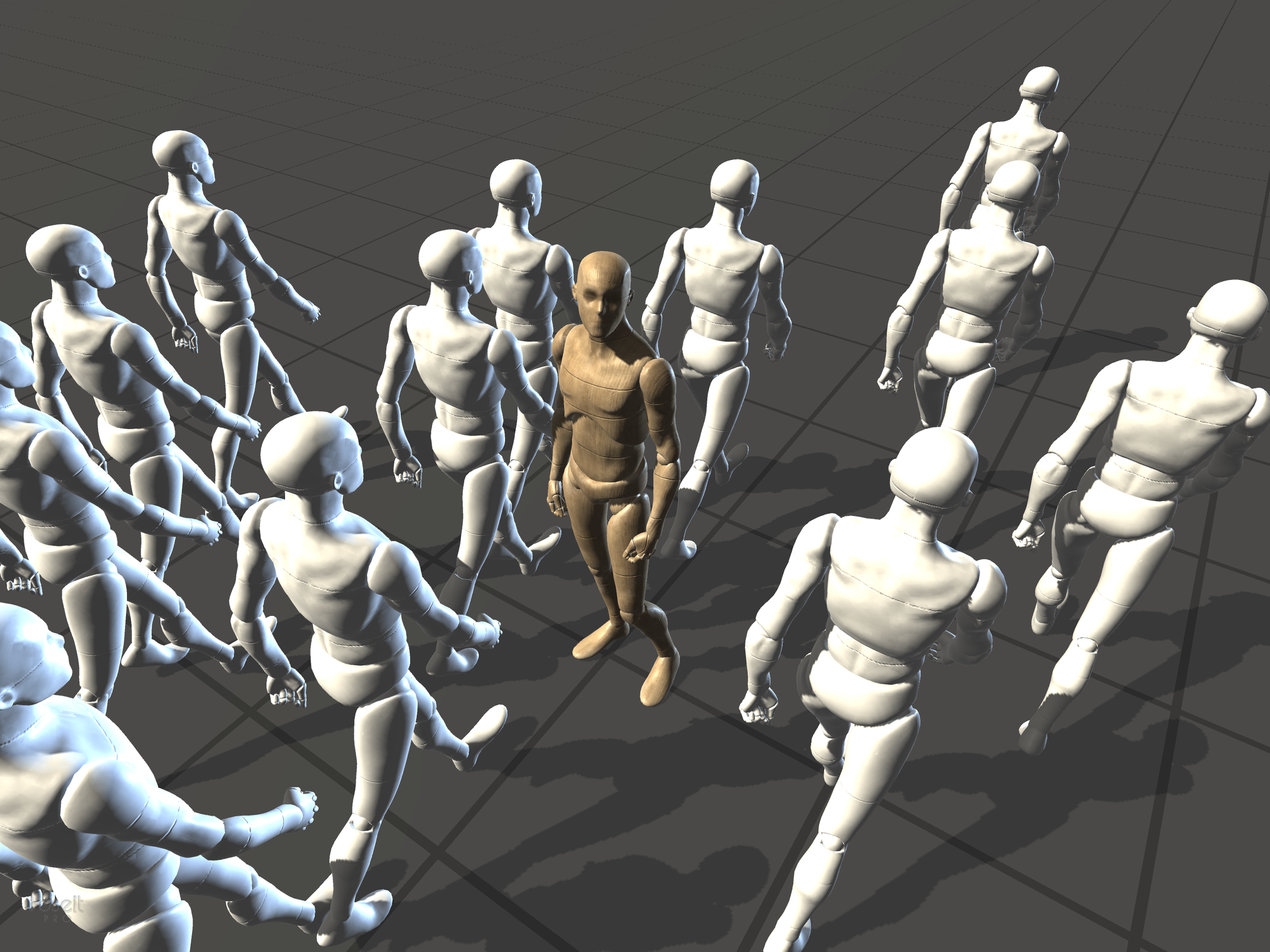
If you’re reading this and thinking, “I missed a couple weeks too,” let’s get one thing clear right away: nothing’s broken.
Projects stall. Rhythms wobble. Life reaches over the drawing table and smudges the page. That doesn’t mean the sketchbook failed, or the artist vanished, or the journey somehow lost its legitimacy. It means you’re human, working inside time instead of outside it.
What matters is not the pause. What matters is how you re-enter.
First: Name the Gap Without Apologizing for It
One of the fastest ways to stay stuck is to treat a pause like a crime scene. We interrogate ourselves. We apologize preemptively. We frame the return as damage control.
“I fell behind.”
“I dropped the ball.”
“I should have been more disciplined.”
None of that language helps you draw again.
Instead, name the gap plainly. “I stepped away.” “The rhythm broke.” “Other things demanded attention.” This isn’t an excuse. It’s orientation. Artists don’t need guilt to restart. They need clarity.
A stalled project isn’t a moral failure. It’s simply a moment where energy went elsewhere. Acknowledging that frees you to move forward instead of circling the same self-critique.
Second: Do Not Try to Catch Up. Resume.
There’s a seductive trap waiting when you return to a paused project: the urge to make up for lost time. Double posts. Longer entries. Over-polished pages. The creative equivalent of sprinting onto the field cold.
This is how projects burn out for good.
You don’t need to catch up. You need to continue.
Imagine your sketch blog as a trail, not a train schedule. You didn’t miss a departure. You simply stopped walking for a bit. The trail is still there. Step back onto it where you are, not where you think you “should” be.
That may mean a shorter post. A looser sketch. A reflective entry instead of an instructional one. Momentum is rebuilt through motion, not compensation.
Third: Let the Return Be Smaller Than the Vision
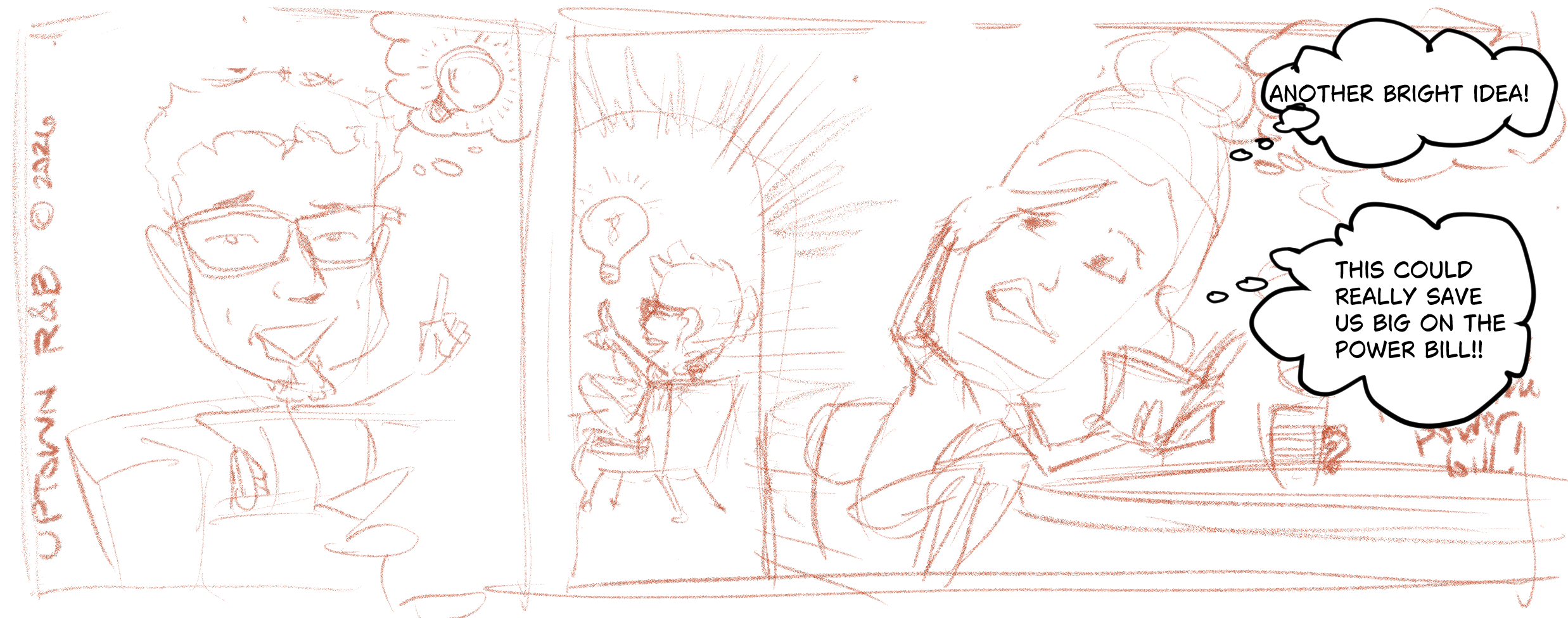
When a project stalls, the vision often grows larger in our absence. We remember what we meant to do. We replay the ideal version of the blog, the series, the curriculum, the arc.
That ideal can become a wall.
The return post doesn’t need to carry the full weight of the project’s purpose. It only needs to exist. Think of it as a warm-up page, not a finished illustration.
Give yourself permission to re-enter at a reduced scale. One idea instead of three. One page instead of a spread. One honest thought instead of a manifesto.
You can always expand later. But you can’t expand a page that never gets drawn.
Fourth: Use the Stall as Material, Not an Obstacle
Here’s the quiet gift hidden in a stalled project: you now have lived experience inside the very thing many artists struggle with.
Disrupted rhythm. Creative guilt. Restart anxiety. The fear of letting people down. The temptation to disappear rather than reappear imperfectly.
That’s not something to hide from your sketch blog. That is sketch blog material.
By addressing the pause openly, you create a doorway for readers who are feeling the same friction. You remind them that the practice isn’t about perfection or productivity, but return. Again and again.
The sketchbook has always been a place where process shows its seams. Let the seams show.
Fifth: Re-Anchor to Intention, Not Schedule
Schedules matter, but intention matters more.
Before worrying about consistency, ask yourself a quieter question: Why did I start this in the first place? Not the external goals. Not the metrics. The internal spark.
Was it to explore ideas visually?
To build a habit of observation?
To invite others into a creative rhythm?
To make space for imagination in a noisy world?
Reconnecting to that intention realigns the compass. Once the compass is steady, the pace will follow.
A project driven only by obligation becomes brittle. A project fed by intention can bend without breaking.
Sixth: Redefine “Back on Track”
Getting back on track does not mean returning to some imaginary perfect version of your workflow. It means creating a current track that fits who you are right now.
Your capacity may be different than it was weeks ago. Your focus may have shifted. Your energy may come in shorter bursts.
Honor that reality. Adjust the project to meet you where you are instead of demanding you become who you were.
Creative longevity is not built by forcing yesterday’s system onto today’s life. It’s built by adapting with honesty.
Finally: Remember That the Journey Is the Lesson
Your sketch blog is not just content. It’s a living demonstration of creative practice. That includes pauses, returns, recalibrations, and restarts.
By stepping back in without shame, without overcorrection, and without pretending the pause didn’t happen, you model something far more valuable than consistency: resilience.
The journey doesn’t stop when the pen leaves the page. It pauses. It breathes. And then, when imagination lights the way again, it continues.
Pick up the sketchbook. Draw one line. Write one paragraph. Welcome yourself back.
The adventure never left.