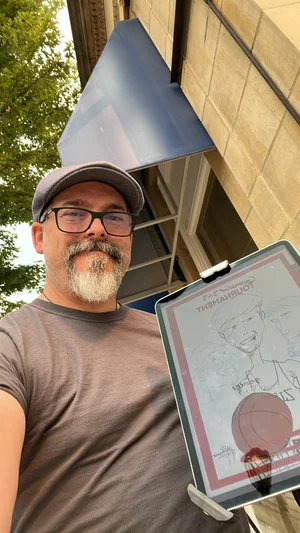

It’s beginning to look a lot like a sketchbook!
Well, well, well.
You’ve put off drawing again—laundry, dishes, homework, attic chaos—and still feel that itch for closure. Stop chasing chores and start feeding your creative muscle. Pull out your sketchbook and commit to the warmup. Here are five focused ways to approach the 8 Pages of Sketchbooking to launch your week with momentum and clarity.
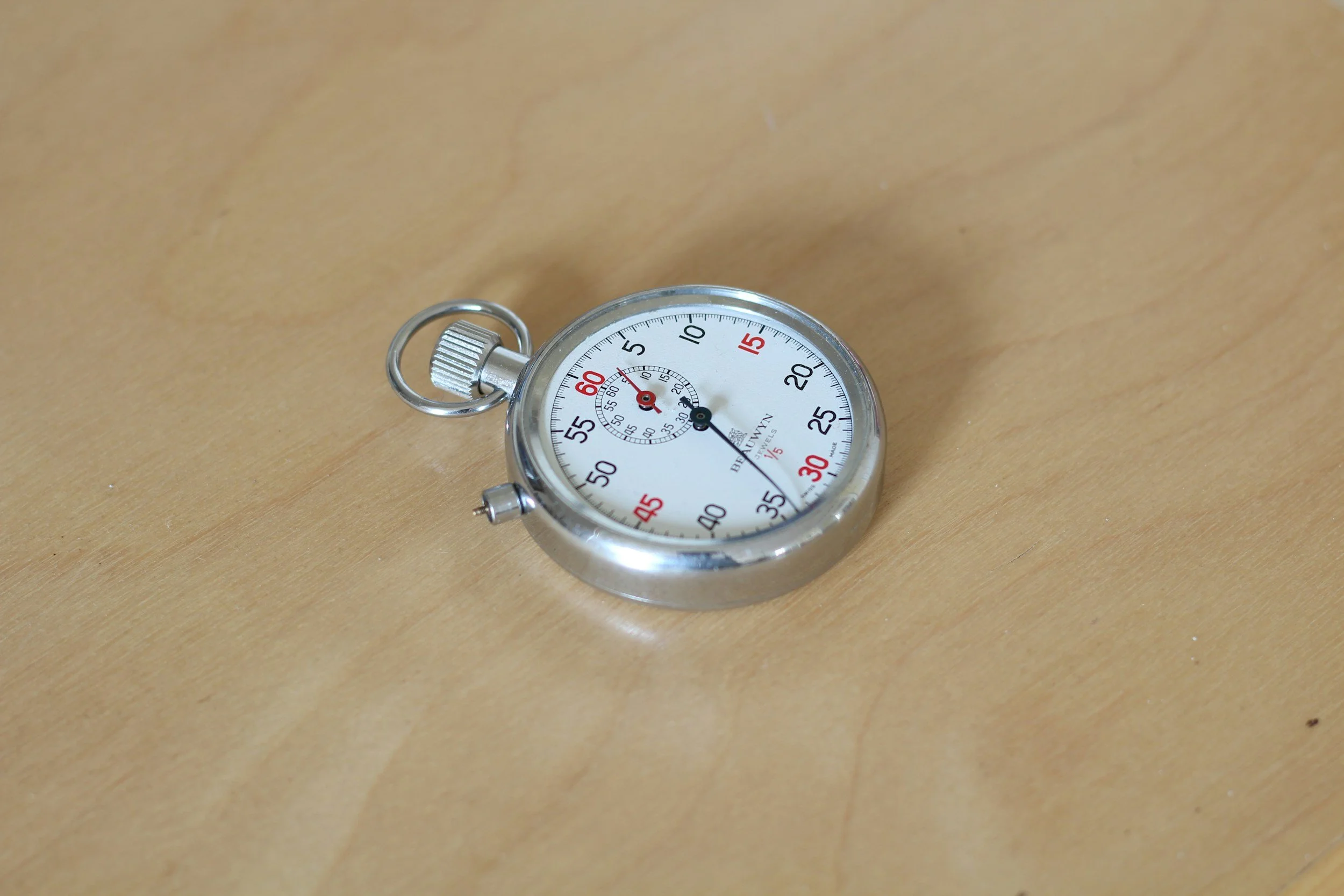
It’s all about the motion….don’t worry about the clock.
The Quick-Clock Routine — 8 × 5 Minutes
Structure: Eight pages. Set a timer for 5 minutes per page.
Purpose: Rebuild speed, loosen linework, defeat perfectionism.
How: Page 1–2: gesture sketches (figures or poses). Page 3–4: quick thumbnails for character or composition ideas. Page 5–6: fast value studies or silhouette checks. Page 7: one-line contour exercises. Page 8: free play — whatever feels fun.
Outcome: Warmed-up hand, clearer visual decisions, and a stack of rough ideas to refine later.

Forcing yourself to problem solve when you’re holding yourself back in some areas can help to open other doors you didn’t know were there.
The Constraint Challenge — 8 Limits, 8 Solutions
Structure: Assign one constraint per page.
Examples: limited palette (ink only), one shape repeated, only straight lines, 1-minute poses, no erasing, only negative space, a single continuous line, thumbnails of the same subject from different viewpoints.
Purpose: Force creative problem solving and uncover fresh compositions or motifs.
Outcome: New approaches that you can scale into finished pieces; stronger design intuition.

The Theme Spiral — 8 Variations on a Theme
Structure: Pick one theme—mood, object, character, environment—and explore it eight ways.
How: Vary scale, perspective, lighting, emotion, time of day, era, exaggerated proportions, or medium.
Purpose: Deepen understanding of a subject and stretch conceptual range.
Outcome: Cohesive mini-series that could become a portfolio row or narrative sequence.

The Skill-Focus Block — 8 Pages, One Weakness
Structure: Identify one specific skill you want to improve (hands, foreshortening, texture, anatomy, perspective, color harmony).
How: Devote all eight pages to exercises that isolate that skill: multiple studies, step-by-step progressions, and paired comparisons (bad vs. better).
Purpose: Concentrated practice that accelerates improvement.
Outcome: Tangible progress and studies you can reference during production work.
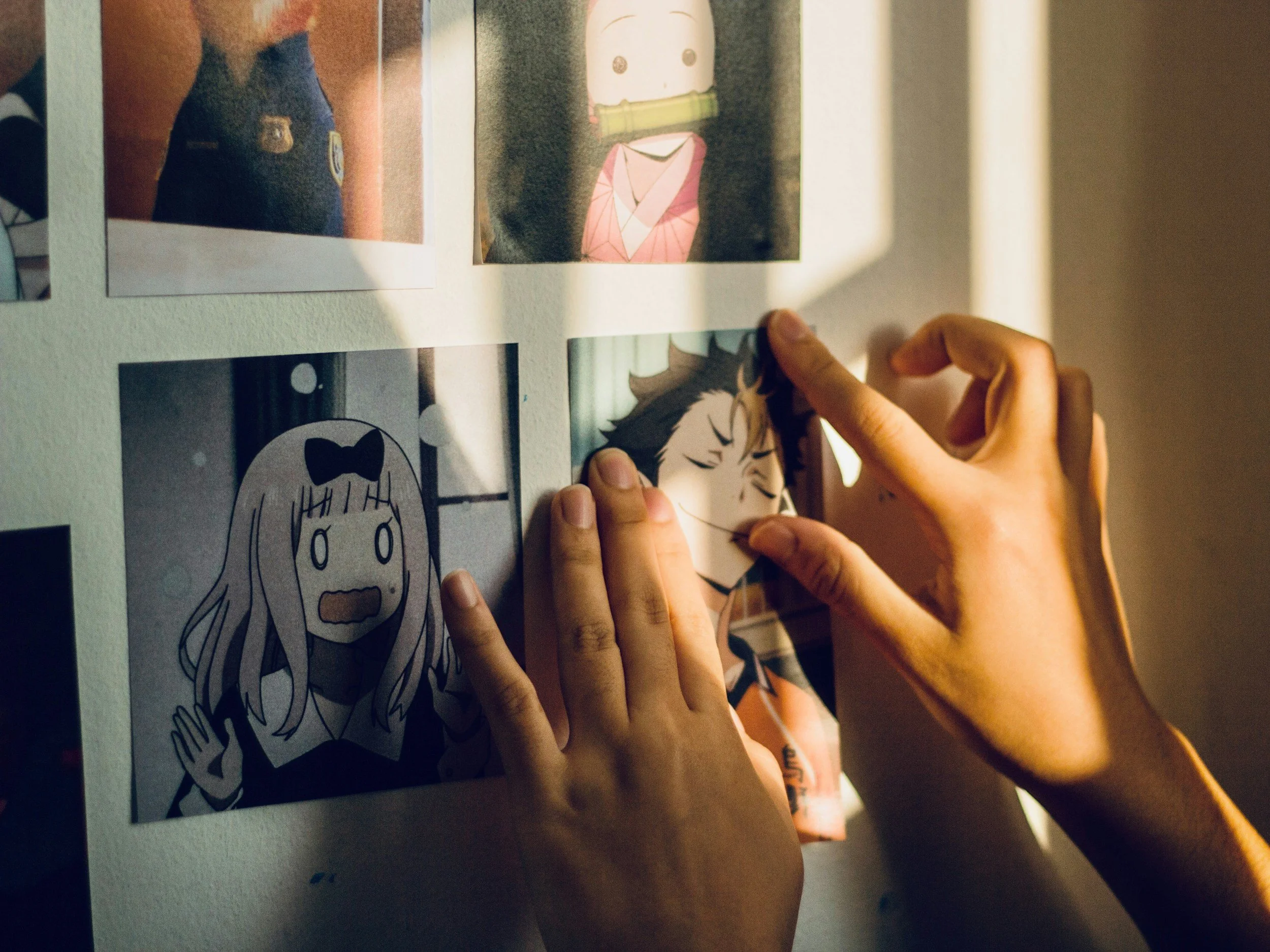
it always helps if you’ve got a few characters in mind to start with…trust the process and see where it leads. You never know — might surprise yourself!
The Story Sprint — 8 Panels, One Micro-Comic
Structure: Treat your eight pages as an eight-panel comic or storyboard.
How: Start with a hook, build conflict, end with a small payoff. Use thumbnails, key frames, expression studies, and a final polished panel.
Purpose: Strengthen storytelling instincts—timing, staging, clarity.
Outcome: A self-contained story you can iterate into a longer piece or use to train narrative pacing.
Practical tips to make it stick
Set a start time and protect it like an appointment. Even 40 minutes is better than nothing.
Keep tools ready: pencil, eraser, a pen, and one additional medium (marker, colored pencil, or watercolor).
Forget perfection: label each page with time and intent to track progress and habit.
Review quickly afterward: mark one thing that improved and one next-step to try next session.
Start this week with intention. Eight pages is a small promise that pays big creative dividends—warm hands, clearer ideas, and the momentum to turn “someday” into real work.