
Hash Tag Inktober
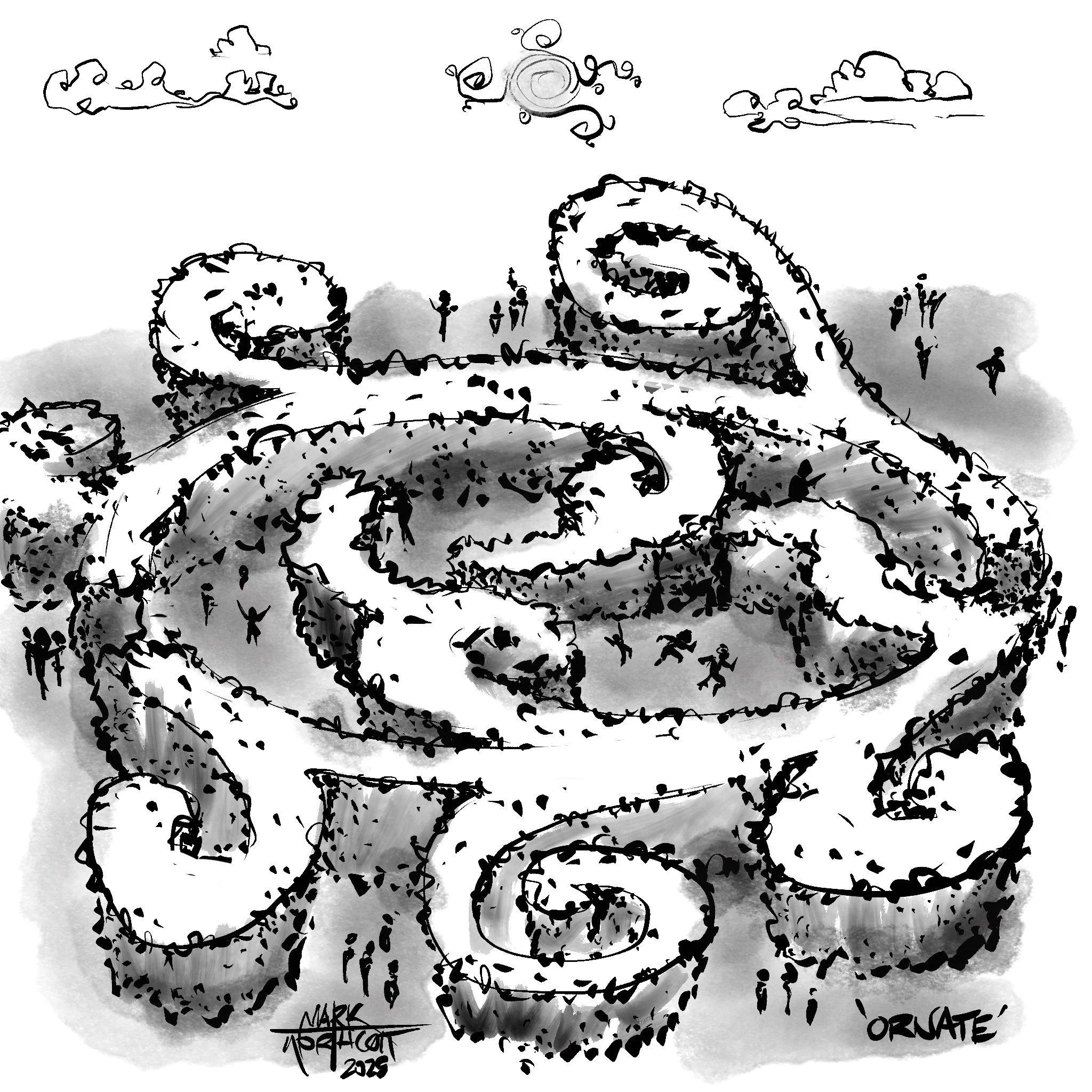
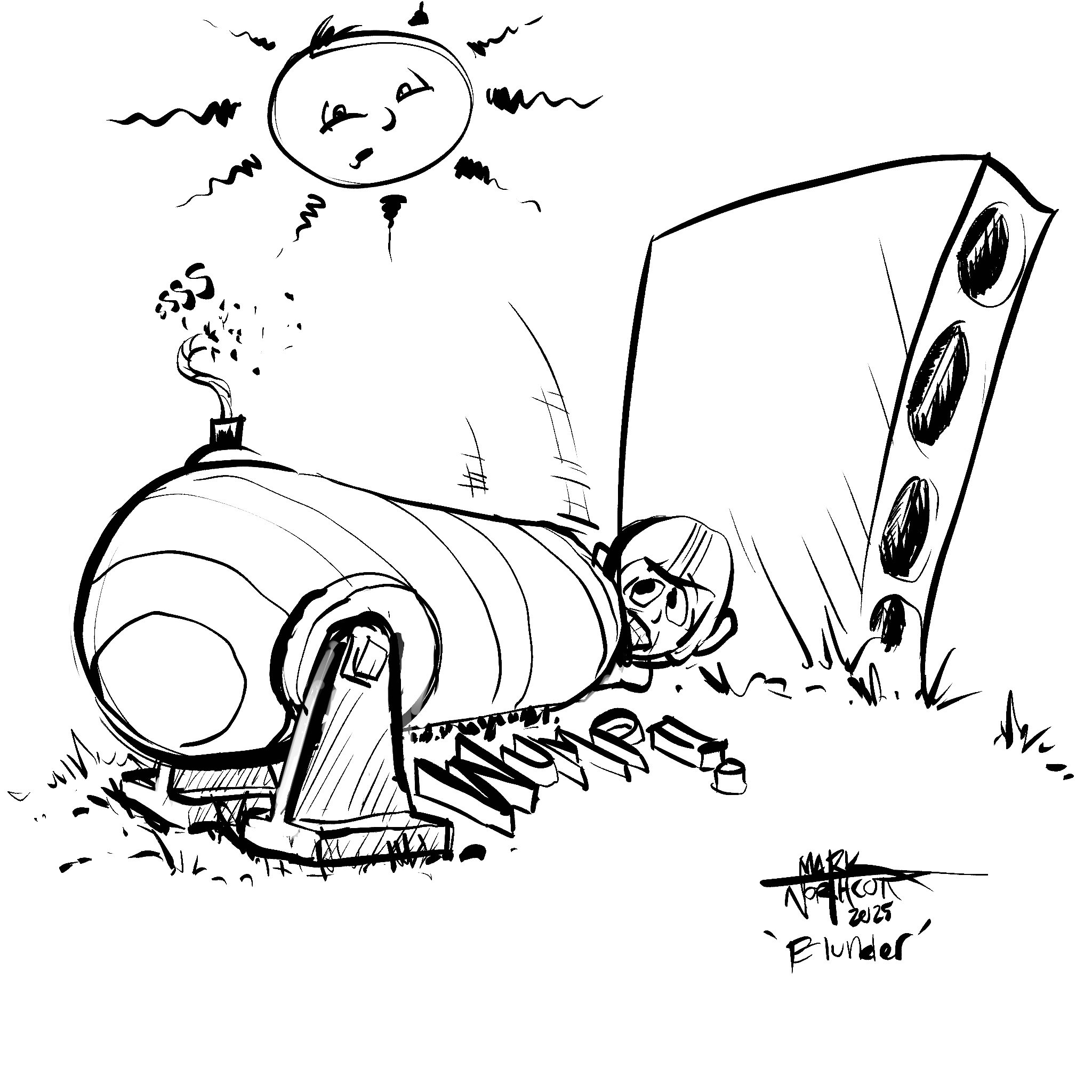
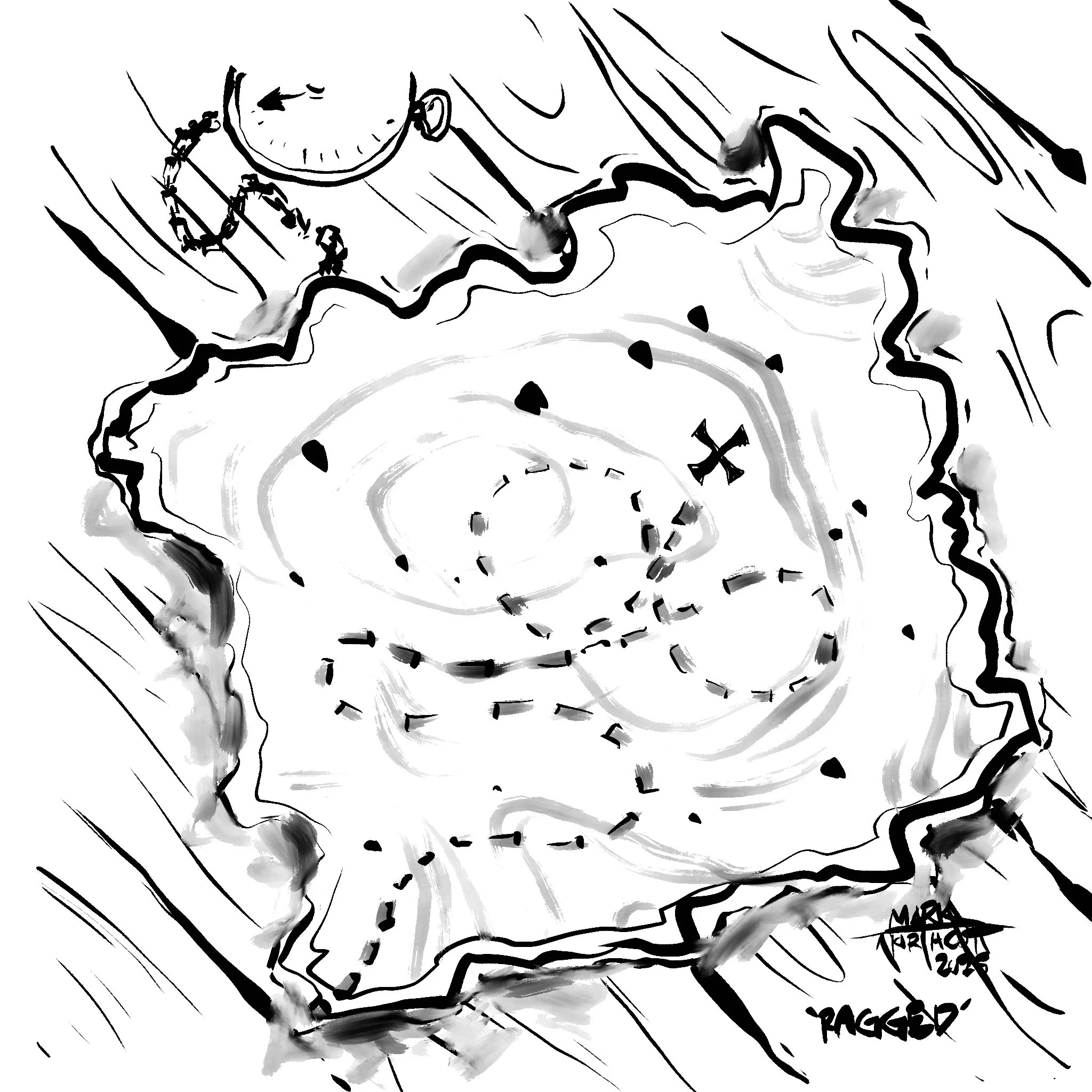
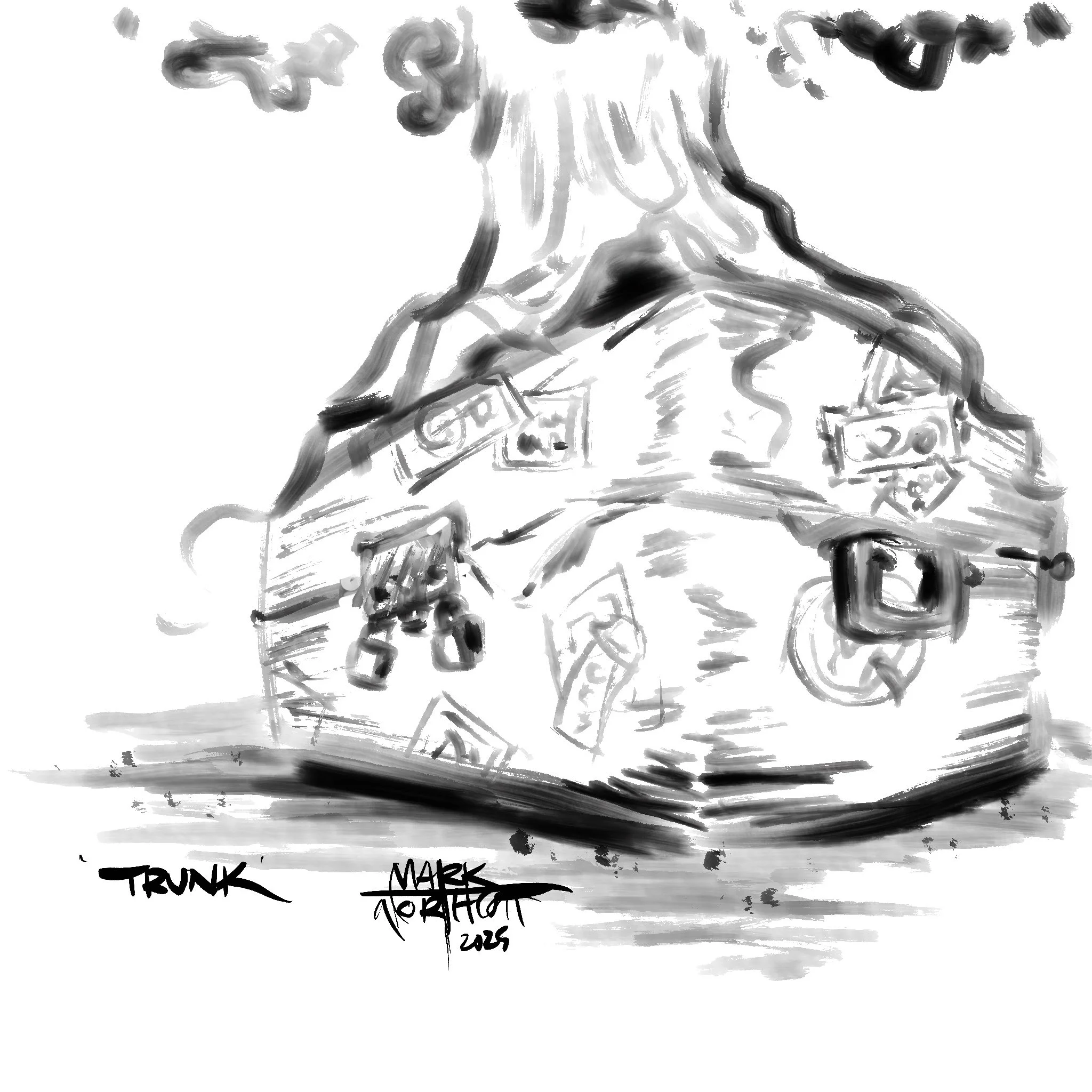
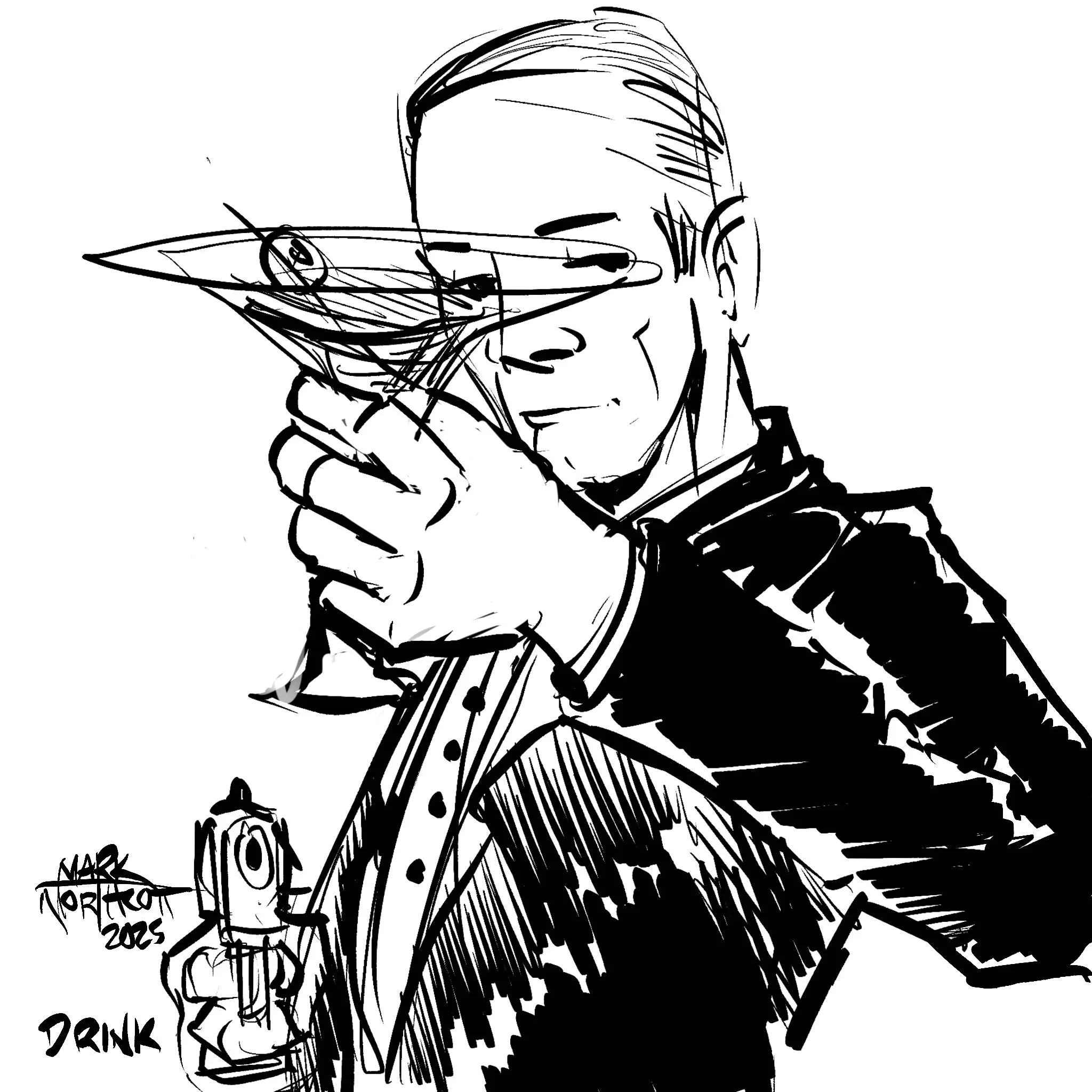
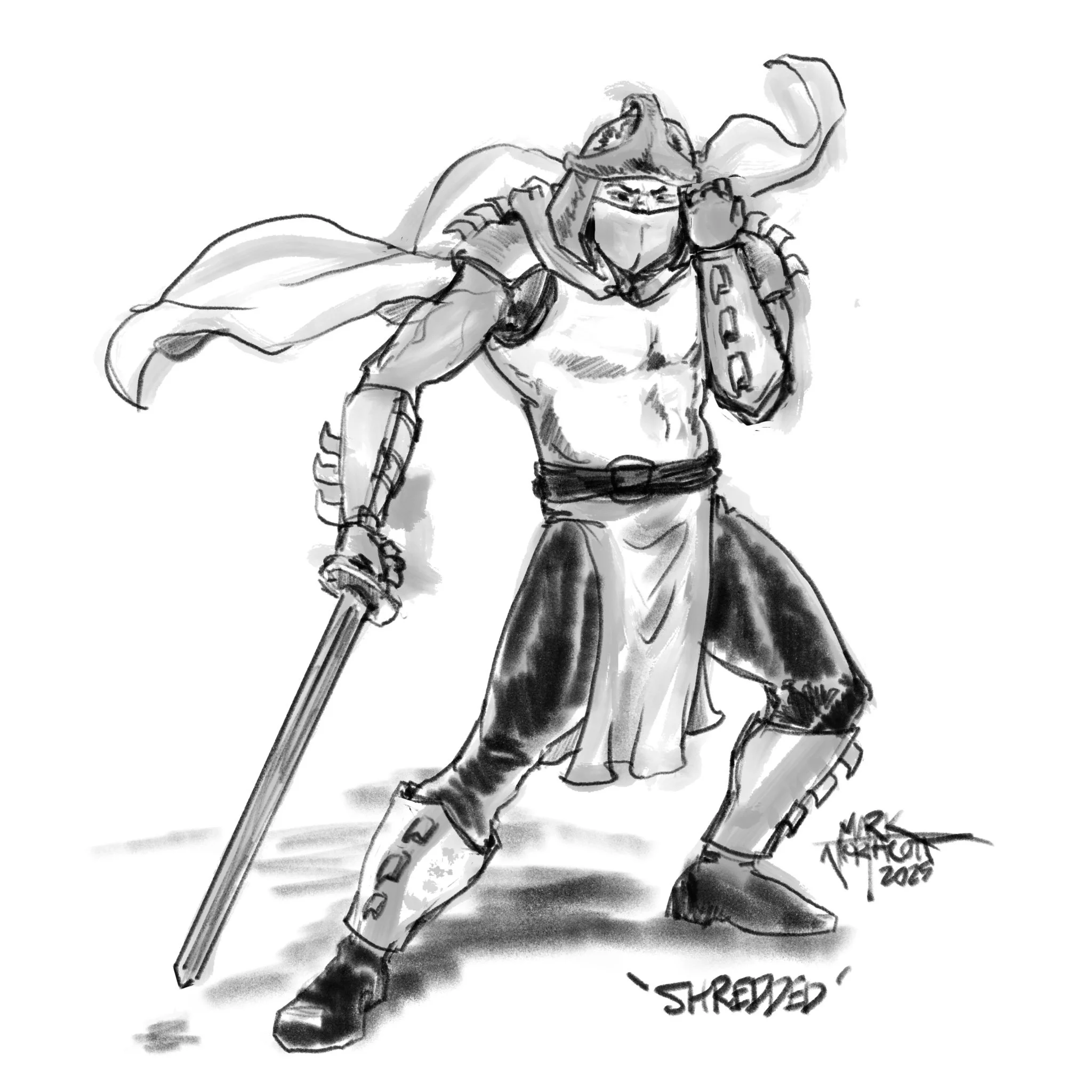
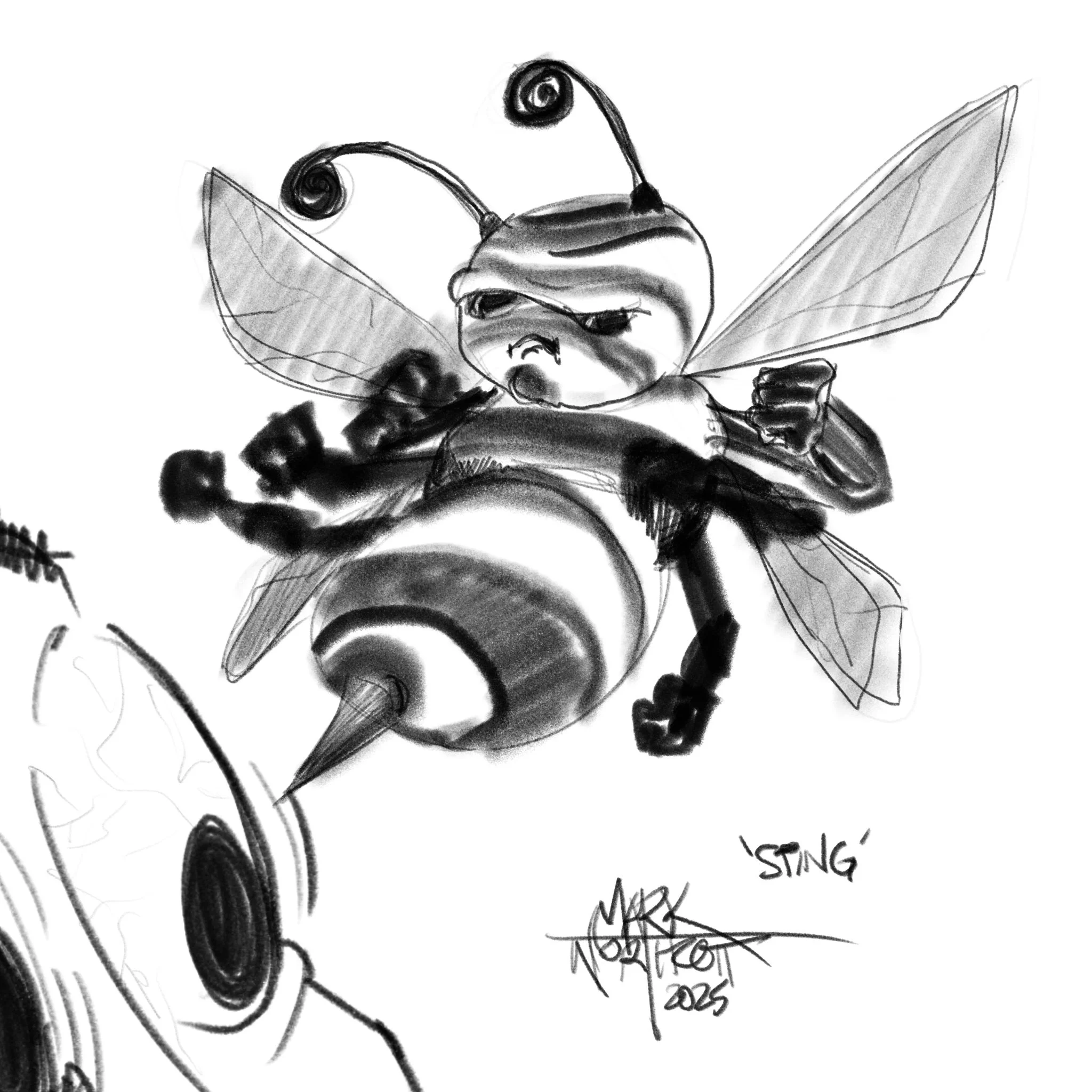
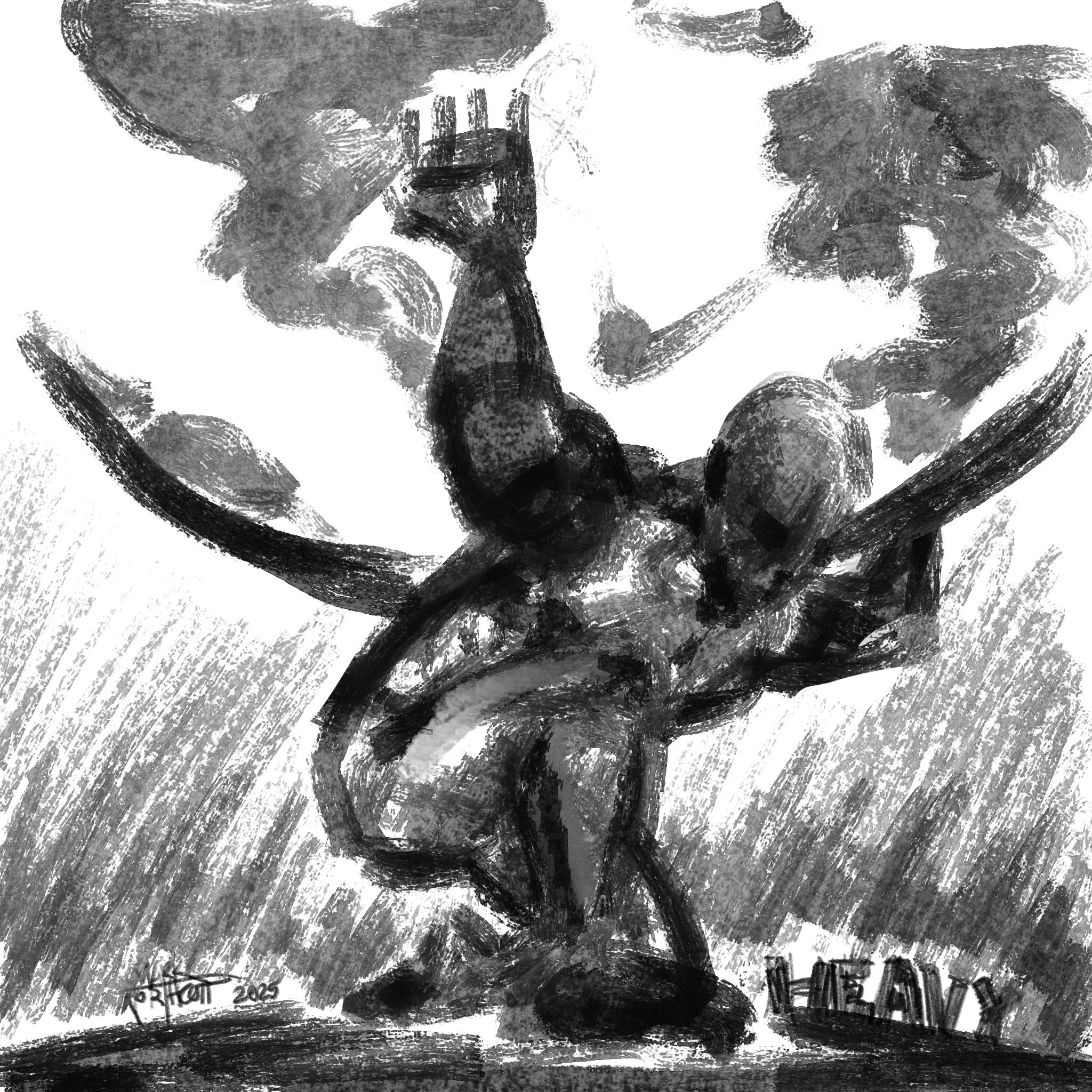
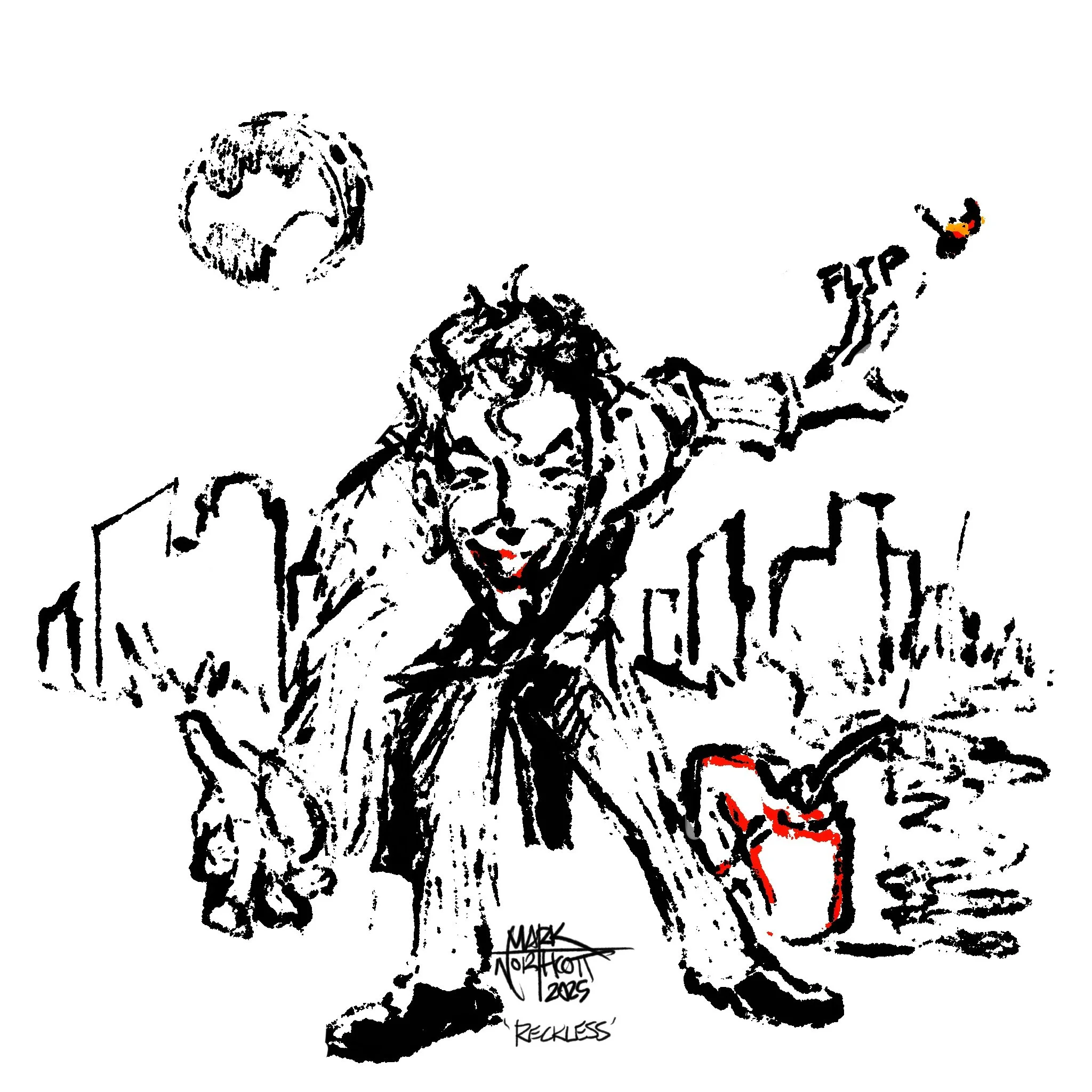
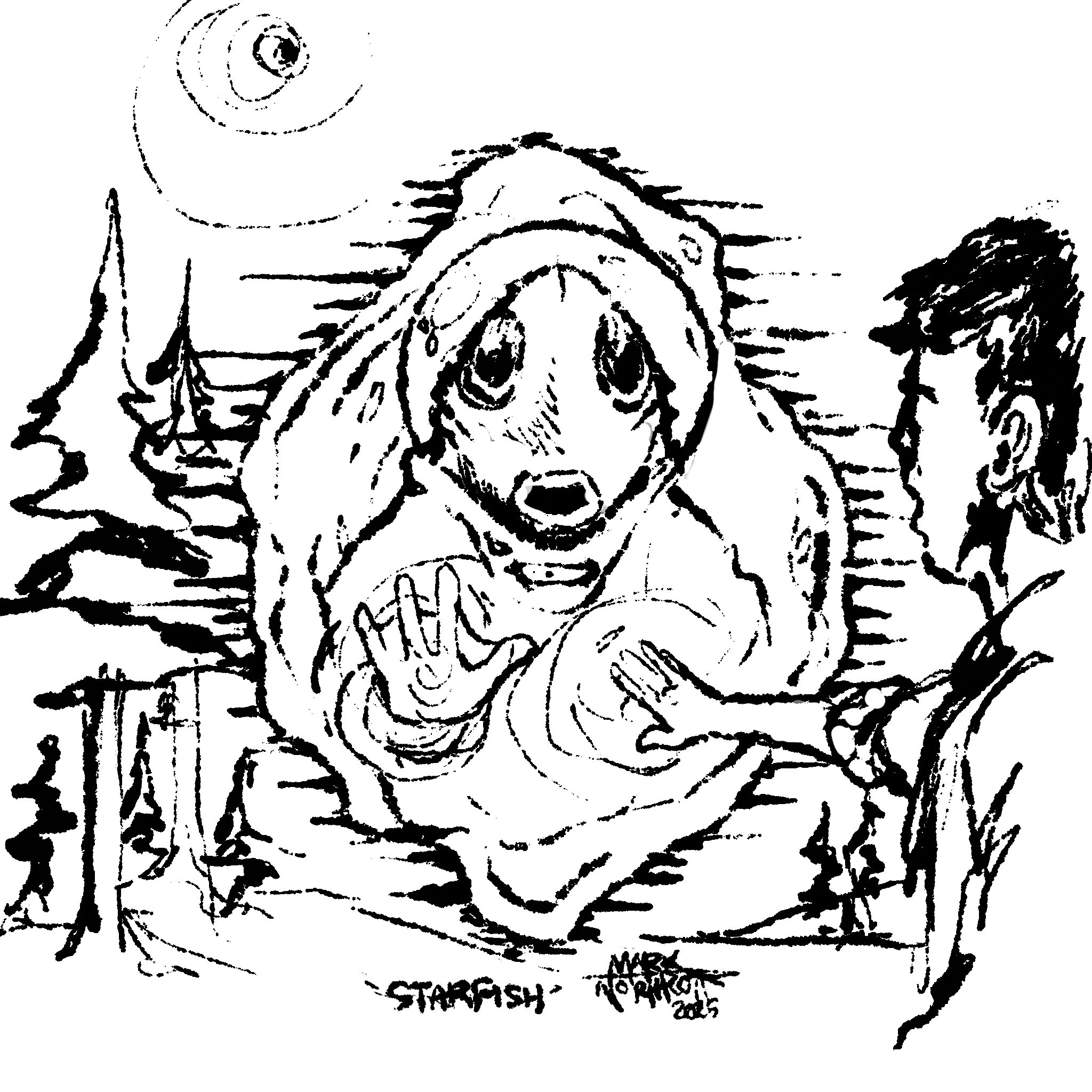
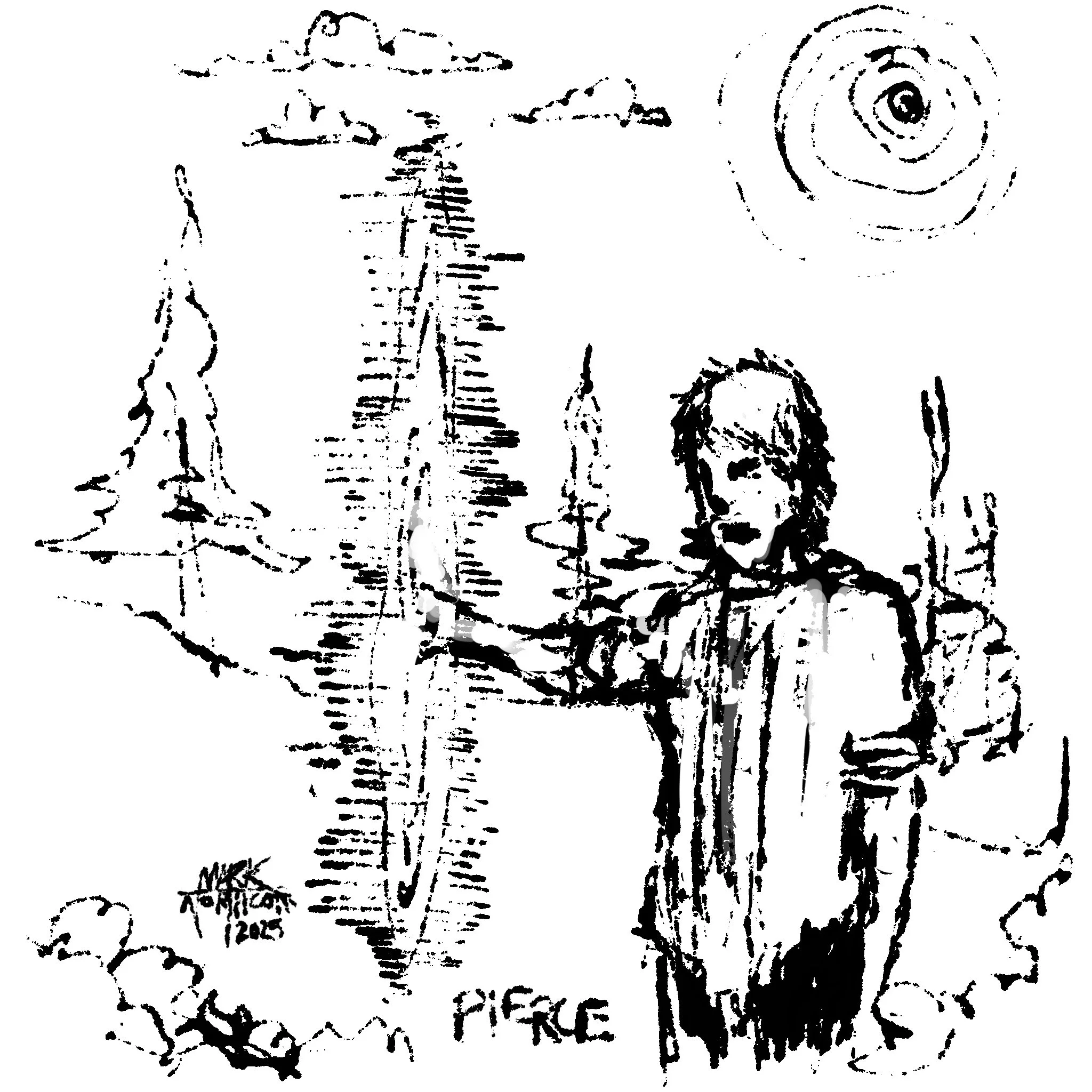
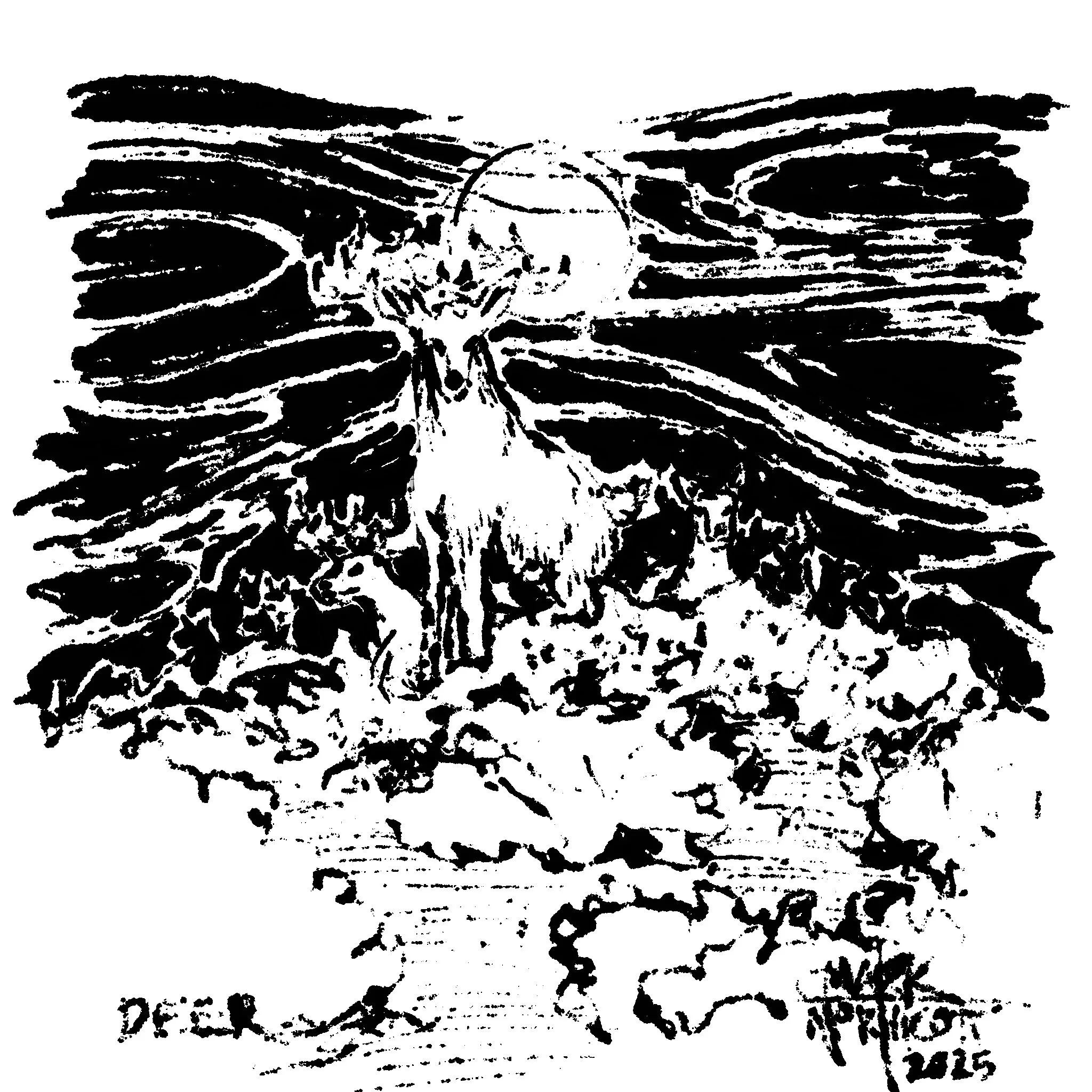



The Habit of Ink: How Inktober Shapes the Artist Within
Every October, artists around the world open a fresh page and dip their pens into an ocean of possibility. One word prompt at a time, Inktober transforms ordinary days into a ritual of creation — a month-long challenge that’s become more than a trend; it’s a habit-forming journey toward artistic growth.
At its heart, Inktober isn’t about ink at all. It’s about discipline through imagination — the willingness to show up every day, no matter how small the drawing or how imperfect the line. In a world that rewards final products, Inktober reminds us to fall in love with the process.
1. The Power of the Daily Mark
Habits are built on consistency, not complexity. The same holds true for drawing. When you sketch daily, your brain begins to anticipate it, your hand starts to crave it, and your creative mind opens its door a little wider each day.
Inktober harnesses this principle perfectly. Thirty-one prompts offer structure — a scaffold to hang your ideas upon. You don’t have to wrestle with what to draw, only how to interpret it. The mental friction of indecision vanishes, replaced by the liberating rhythm of practice.
At first, it feels like a challenge. By mid-month, it becomes a pattern. By Halloween, it’s a habit — one that often continues long after October fades.
Neuroscience tells us that repetition strengthens neural pathways. Artists know this intuitively: the more you draw, the more fluid your line, the sharper your observation, the quieter your inner critic. Each day’s ink stroke is a small act of mastery.
2. From Intention to Ritual
Inktober succeeds because it combines intention with accountability. You begin with a declaration: “I’m going to draw every day this month.” It’s simple, measurable, and public — three key ingredients in habit formation.
Once you post your first drawing, the ritual begins.
You check the day’s prompt.
You warm up your hand.
You sketch, ink, photograph, and share.
Those small steps create a repeatable rhythm, and repetition is what forges ritual.
Artists often think creativity should be spontaneous, but the most prolific creators know better — it thrives on pattern. Ritual gives imagination a home. Inktober trains us to make creativity visible, to honor it with time and space each day, just like brushing teeth or brewing coffee.
When the pen meets the page regularly, hesitation dissolves. The sketchbook becomes a sacred space of momentum — a record of daily discipline that transforms fear into flow.
3. Accountability and Community
The social element of Inktober amplifies the habit-forming magic. The internet, for all its distractions, becomes a source of encouragement during October.
By sharing online — using hashtags, following prompts, and commenting on others’ work — artists engage in a powerful feedback loop. Each like, comment, or reshare reinforces the effort. It’s dopamine, yes, but it’s also validation that showing up matters.
Accountability doesn’t mean perfection; it means participation. When you see thousands of others also posting sketches, struggling, experimenting, or even failing publicly, the process normalizes imperfection. You realize you’re part of a much larger creative heartbeat — one that pulses around the globe, in every time zone, through every type of pen and page.
That sense of belonging is addictive in the best way possible. It’s not about comparison but connection. You start to look forward to the next day’s prompt not just for your own growth, but because you can’t wait to see how everyone else will interpret it. That shared curiosity drives consistency — and consistency is the birthplace of artistic identity.
4. The Psychology of Showing Up
Building a drawing habit is less about time and more about mindset. Many people start strong but burn out by the second week. The trick is to lower the barrier to entry.
If you can’t commit to a full-page illustration, draw a thumbnail. If you can’t finish, ink one line. The important part is showing up.
Each sketch you complete teaches your mind that creativity doesn’t require perfect conditions. You don’t need hours of silence or flawless inspiration — just five minutes and a pen.
This incremental approach is how habits outlast challenges. Inktober teaches that consistency beats intensity. The sketch you nearly didn’t draw often becomes your favorite, precisely because it reminds you that the habit itself is what matters.
5. The Post-Inktober Momentum
When November arrives, many artists feel a strange emptiness — like stepping off a train that had been carrying them forward for a month. The structure, the prompts, the communal accountability — suddenly gone.
But that’s when the real magic begins.
The daily sketching habit you’ve built can now serve new purposes. Maybe you start a personal project, a webcomic, or a graphic novel. Maybe you design your own month of prompts. Maybe you teach others to do the same.
What Inktober really gives isn’t a collection of drawings — it’s proof that you can sustain creative momentum.
You’ve trained your mind and hand to work together in harmony. You’ve practiced turning ideas into form quickly, without overthinking. You’ve learned to let go of perfection and trust the ink to flow where it will.
These are not skills that fade; they’re cornerstones of artistic growth.
6. Sketchbooks as Witnesses
A sketchbook filled through Inktober becomes a kind of visual diary — not just of drawings, but of transformation. The first pages might show hesitation; the last, confidence. Every stroke is a record of courage.
When you flip through that book later, you’ll see your evolution. You’ll remember which days you wanted to quit, which ideas surprised you, and which drawings made you smile. It becomes a tangible symbol of discipline — a mirror of your persistence and imagination.
That’s what habit looks like when it takes physical form.
7. Beyond October: Making Art a Lifestyle
So how do you keep the Inktober habit alive once the challenge ends?
Keep prompts simple: Choose one theme a week and continue sketching.
Create accountability: Share progress with a friend or art group.
Reward the ritual: Celebrate the act of drawing, not the outcome.
Reflect monthly: Review your sketchbook and note patterns in your style or subjects.
The point is not to duplicate Inktober but to sustain its spirit. When you approach each day with curiosity and a willingness to make something — anything — you keep the creative fire burning year-round.
8. In the End, It’s About Becoming
The real gift of Inktober isn’t the ink that stains our fingers, but the transformation that stains our hearts. It teaches us that creativity is not a switch to flip but a muscle to exercise.
When you draw daily, you’re not just forming a habit — you’re forming yourself.
Each mark whispers, I showed up. Each page says, I kept going.
And somewhere between the first hesitant sketch and the final confident line, you realize that Inktober wasn’t about finishing a challenge — it was about beginning a lifelong conversation with your own imagination.