
“Staying on Track — Habit, Interest, and the Art of Showing Up”
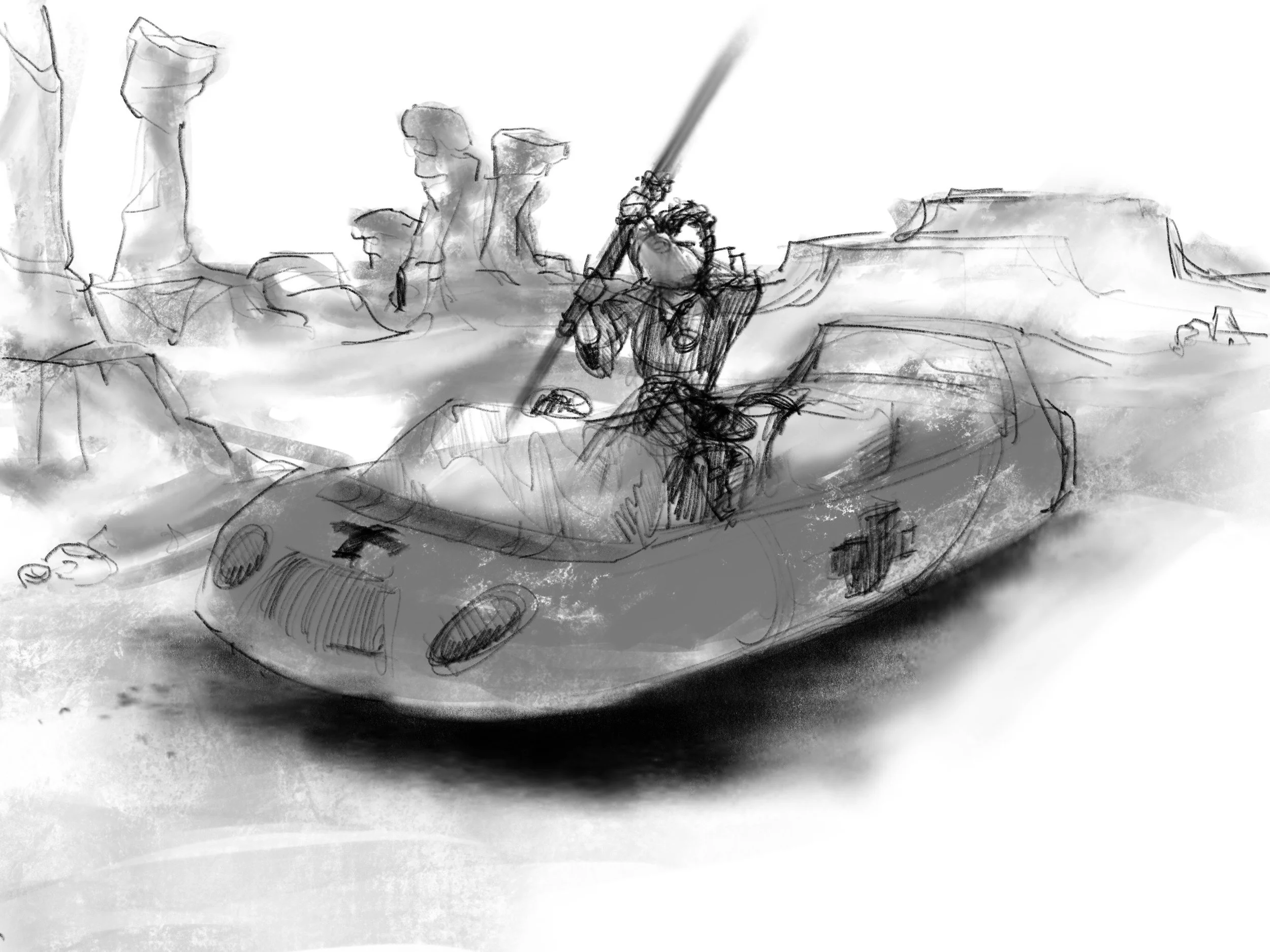
‘Feel the Force flow through your drawing hand,’ says the Sketch Medic
Introduction: The Blank Page Paradox
You know the feeling. You’ve set out your pencils, cracked open a fresh sketchbook, maybe even made tea. But something stops you — hesitation, distraction, or just plain resistance.
Drawing, as simple as it seems, asks us for more than skill. It asks for presence. And yet, that presence can’t exist without consistency. The great impasse for most artists — beginners and veterans alike — isn’t talent. It’s momentum.
So how do we keep that momentum alive? Is sketchbooking a matter of discipline — the slow build of habit — or inspiration — the spark of interest that lights the fire? The truth, as we’ll explore today, is that mastery lies in balancing both.
Page 1: The Habit Loop – Showing Up as Ritual
When we think of habit, we think repetition. But creative habit differs from routine — it’s not about doing the same thing, but about making time for the thing that changes you.
A habit of sketchbooking begins by ritualizing when and how you show up:
Choose a set time (morning coffee, before bed, after work).
Define your environment (same corner, same tools).
Reduce friction — keep your sketchbook visible and ready.
Like yoga, your practice gains power not from intensity but from consistency. Even five minutes a day counts. The act of opening your sketchbook becomes a silent mantra: “I am an artist in progress.”
Habit, then, is your anchor. It holds you steady when inspiration drifts.
Page 2: Interest – The Oxygen of Creativity
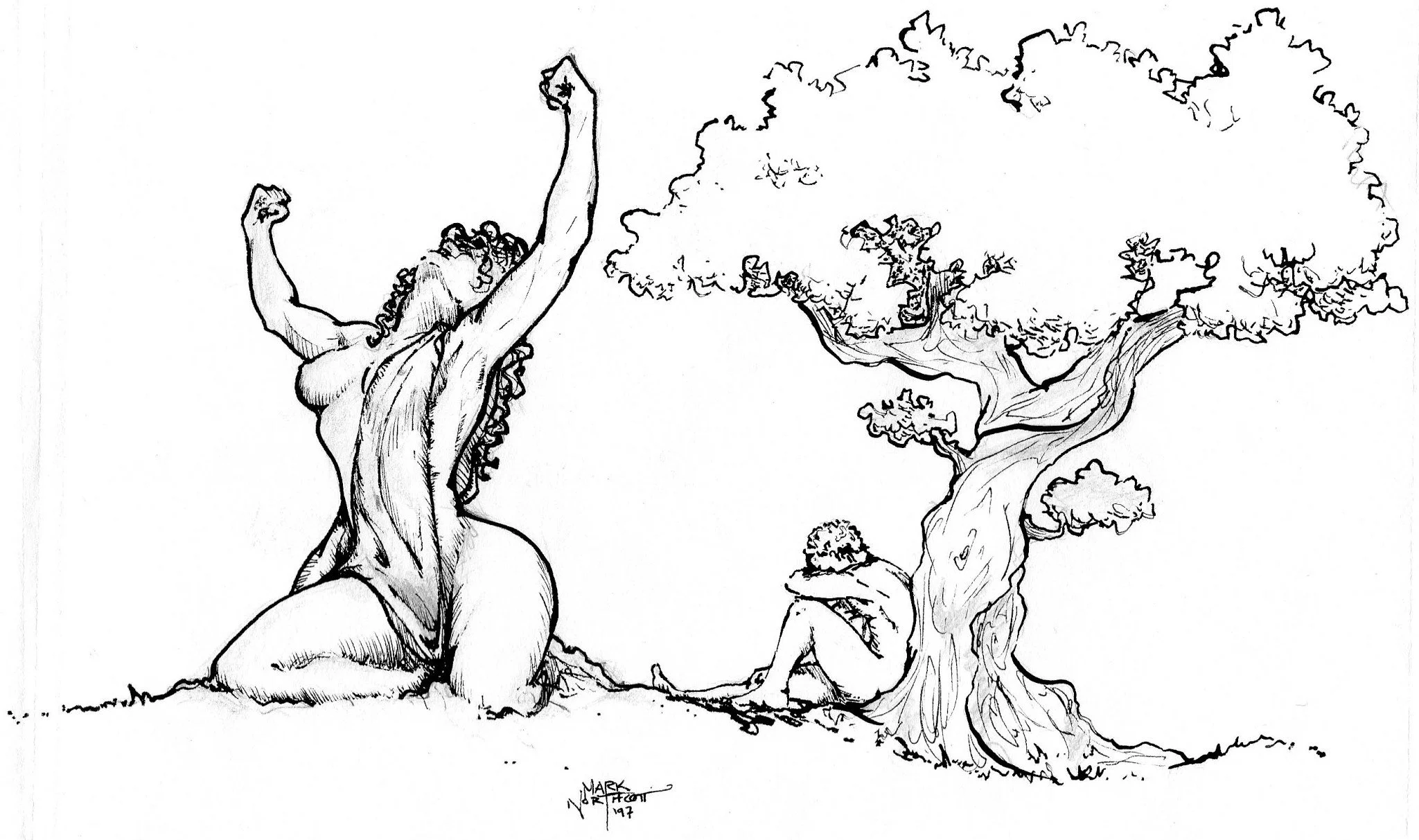
Whole anthologies are filled with intense storytelling once from the mere seed of an idea….
Interest is the spark — that fluttering excitement that drives you to draw something because you want to see it exist.
But interest, left unattended, is fleeting. To sustain it, you must feed it.
Ask yourself:
What visual stories am I drawn to right now?
What subjects stir curiosity even when I’m tired?
Can I merge two unrelated ideas just for fun?
Interest thrives in exploration. Use your sketchbook not as a test, but a playground. Make messy pages. Invent characters. Doodle your coffee mug like it’s a new planet. The more personal your drawings become, the more interest fuels your practice naturally.
Interest, then, is your breath. It keeps your artistic heart beating.
Page 3: The 8 Pages Approach – Navigating the Impasse
This is where your 8 Pages of Sketchbooking come alive. Each “page” represents not only a technical step but a state of mind — a path through resistance and back into flow.
Let’s align the habit-interest balance through the lens of these pages:
Journaling Creative Intentions — Begin each week by writing what excites you and what you wish to improve. This blends motivation with mindfulness.
Mental Stretching — Quick warm-up sketches keep your pencil moving before your inner critic wakes up.
Gesture, Rhythm, and Movement — Draw what’s alive: people, pets, wind, flow. Motion restores interest through energy.
Connecting Intention and Movement — Revisit your journal notes and direct them into focused studies. Interest becomes structured.
Letting Imagination Take the Lead — Habit forms space; imagination fills it. Give one page a week to pure invention.
Concentration on a Single Object or Idea — When distracted, simplify. Study one hand, one face, one shadow. Focus breeds mastery.
Maintaining a Creative Zen — Habit sustains peace; interest brings joy. Let your sketch time be your daily sanctuary.
Reflect, Learn, and Level Up — Flip through old pages. What themes reappear? What growth do you see? This reflection renews both habit and inspiration.
Together, these eight practices dissolve the impasse — habit keeps you grounded, and interest keeps you growing.
Page 4: The Mind Behind the Practice
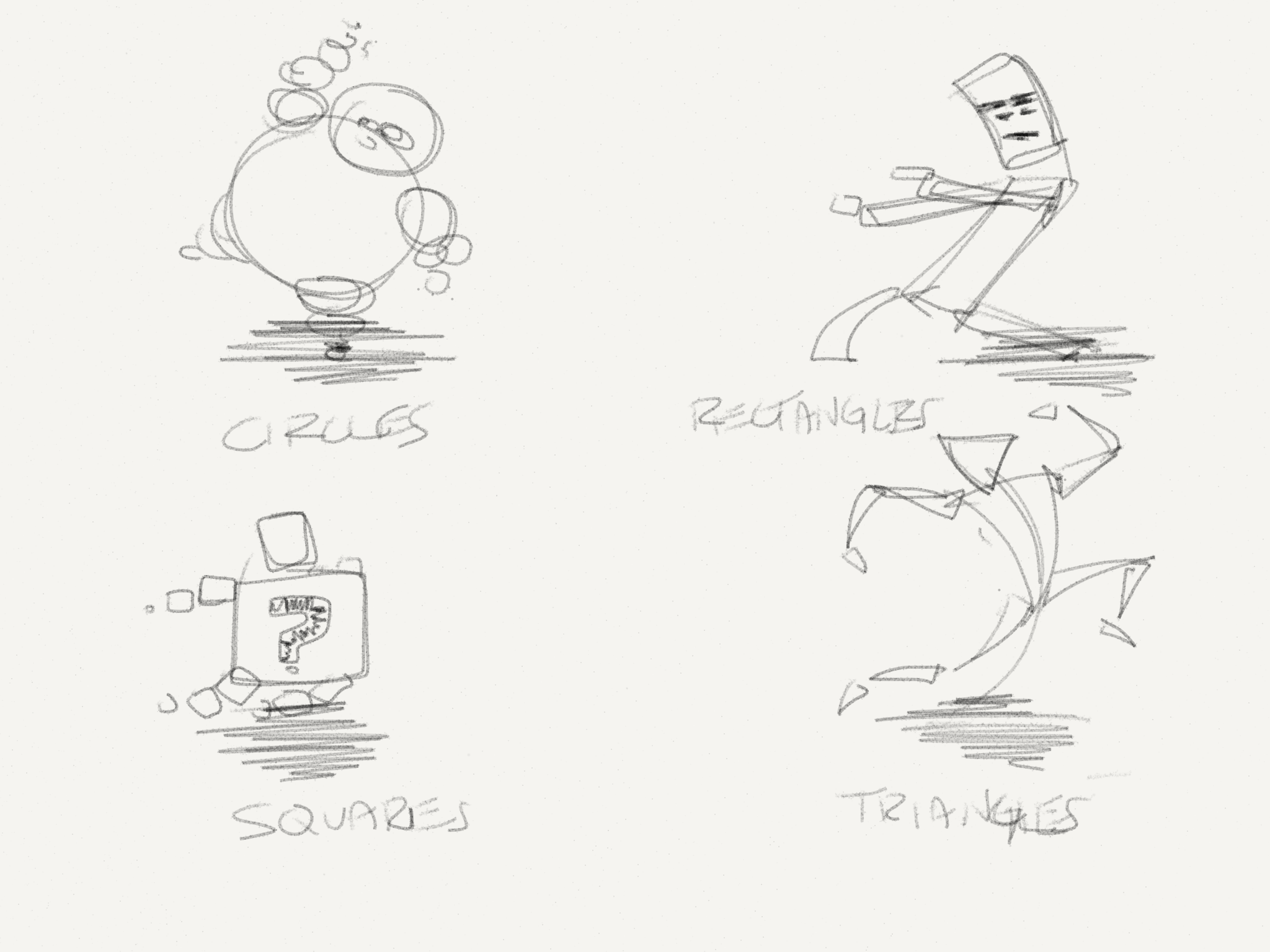
The only way to shape your creative spark is to repetitiously explore the shape of it.
The greatest myth in art is that creativity strikes like lightning. In truth, it’s more like tending a fire. You need to gather the wood (habit) and breathe life into the flame (interest).
Neurologically, forming a habit creates neural pathways that make sketching second nature. The more you repeat, the less resistance your brain offers. But the emotion — the love of line, the joy of improvement — is what transforms repetition into flow.
When you feel yourself slipping — either bored or burnt out — remember:
Too much habit without interest = burnout.
Too much interest without habit = inconsistency.
Your job is to dance between the two, sketchbook in hand.
Page 5: Strategies for Staying on Track
Here are a few proven methods to keep the flame alive:
Micro-Sketching: Draw something tiny daily — a thumbnail, a gesture, a shadow. Five minutes counts.
Theme Weeks: Dedicate one week to a specific subject (hands, architecture, manga eyes). Limiting scope builds focus.
Accountability Buddies: Share progress weekly with a peer or group. Habit loves community.
Visual Rewards: Decorate completed pages with color splashes, notes, or dates. Celebrate effort, not perfection.
Creative Rest: Don’t forget to refuel. Walk, observe, journal. Stillness often restarts inspiration.
Page 6: Turning Impasse into Insight
When resistance appears — and it will — treat it as a teacher.
Maybe your hand hesitates because your imagination needs direction. Or maybe you’re tired because your habits lack flexibility. Every block is a message, not a failure.
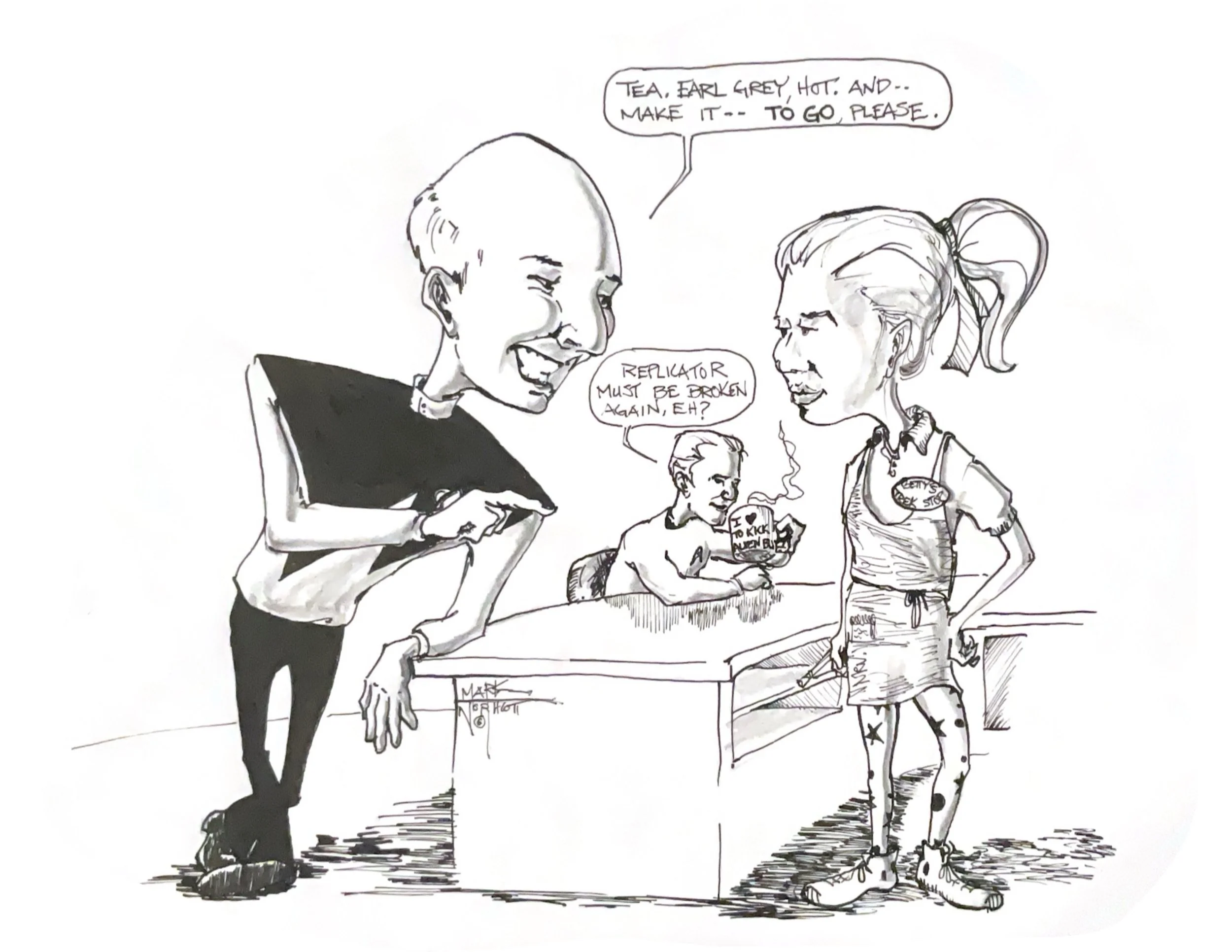
They said ‘Resistance is futile,’ but not when you’ve legendary masters in the field showing you the way!
The impasse is the doorway to growth. Each page you turn teaches you something about yourself as both artist and human.
Page 7: The End Result — Mastery as Mindfulness
Mastery isn’t about never missing a day. It’s about developing a relationship with your craft. Your sketchbook becomes a mirror — reflecting your moods, improvements, questions, and stories.
When you commit to showing up, regardless of perfection, something profound happens: drawing becomes a meditation. You stop chasing progress and start enjoying process. That’s where true growth hides.
Page 8: Reflection Checklist – Your Daily Compass
Print this out or copy it into your sketchbook cover:
✅ Journaling creative intentions — Why am I sketching today?
✅ Mental stretching — 3-minute warm-up lines.
✅ Gesture, rhythm, and movement — Capture energy, not anatomy.
✅ Connect intention and focus — What am I really studying?
✅ Let imagination lead — Play, invent, explore.
✅ Concentrate on one object — Observe deeply.
✅ Maintain creative zen — Sketch like meditation.
✅ Reflect, learn, level up — What did I learn today?
Closing Thought
Whether you draw for five minutes or fifty, whether your lines wobble or sing, you’ve already succeeded the moment you open your sketchbook.
Habit gets you to the page.
Interest keeps you there.
Together, they lead you home — to your art, your flow, and your imagination’s quiet adventure.
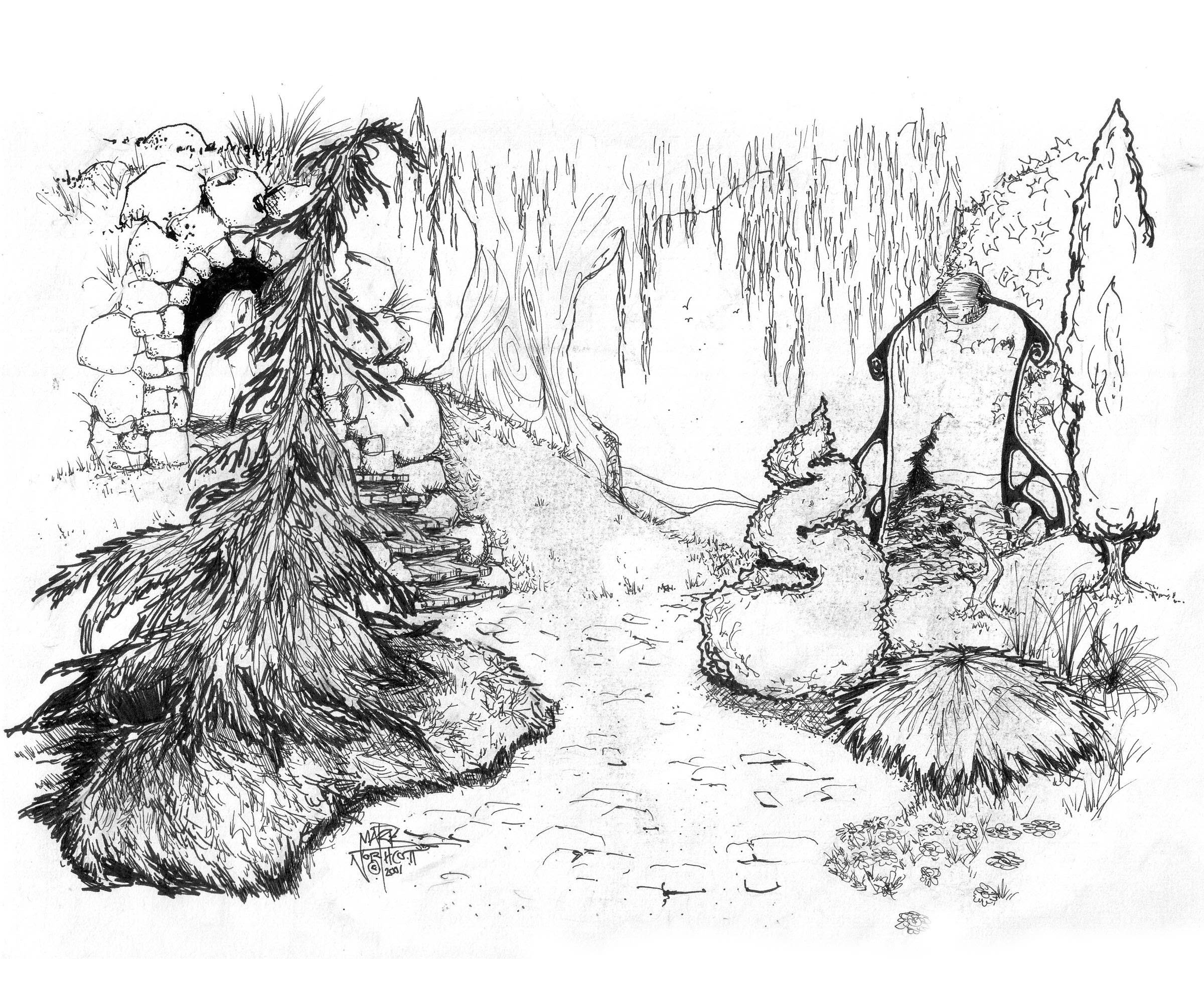
I once read that ‘wherever you go; there you are;’ it made - it makes perfect sense to me, and when it does for you - you are exactly where you want to be.